Big Small Game — How the Rounds, Odds and Payouts Actually Work
A plain-English guide to the format behind big small, colour prediction and every renamed clone of it: how a round is settled, what a winning bet really pays, why no trick or hack can read the result, and what to check before an app ever sees your money.
Table of Contents
How One Big Small Round Is Settled
Four steps, repeating on a fixed timer. Everything else you read about this format — tricks, charts, prediction groups — sits on top of these four and changes none of them.
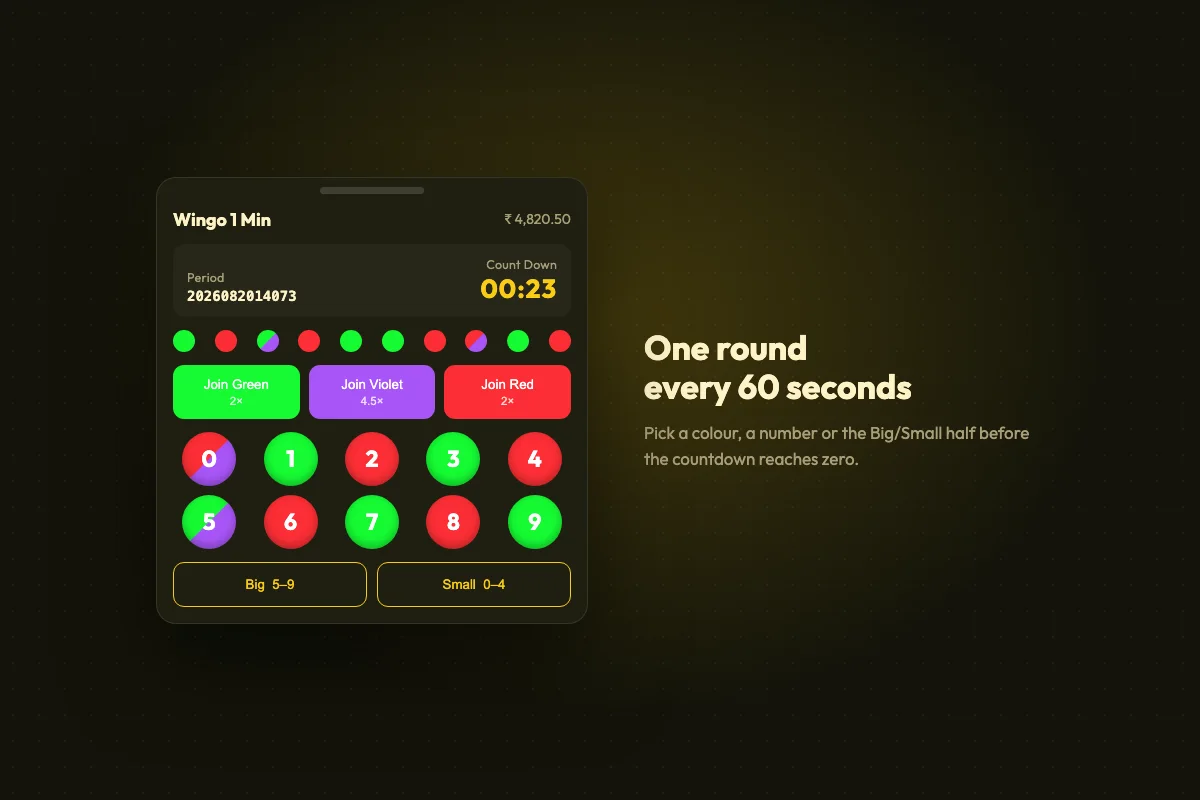
A number is generated, not chosen
Each round produces a number from 0 to 9 on the operator's server. Big usually covers 5 to 9, small covers 0 to 4. Nothing on your phone takes part in producing it, which is the single fact that makes every predictor app impossible.
You bet before the timer closes
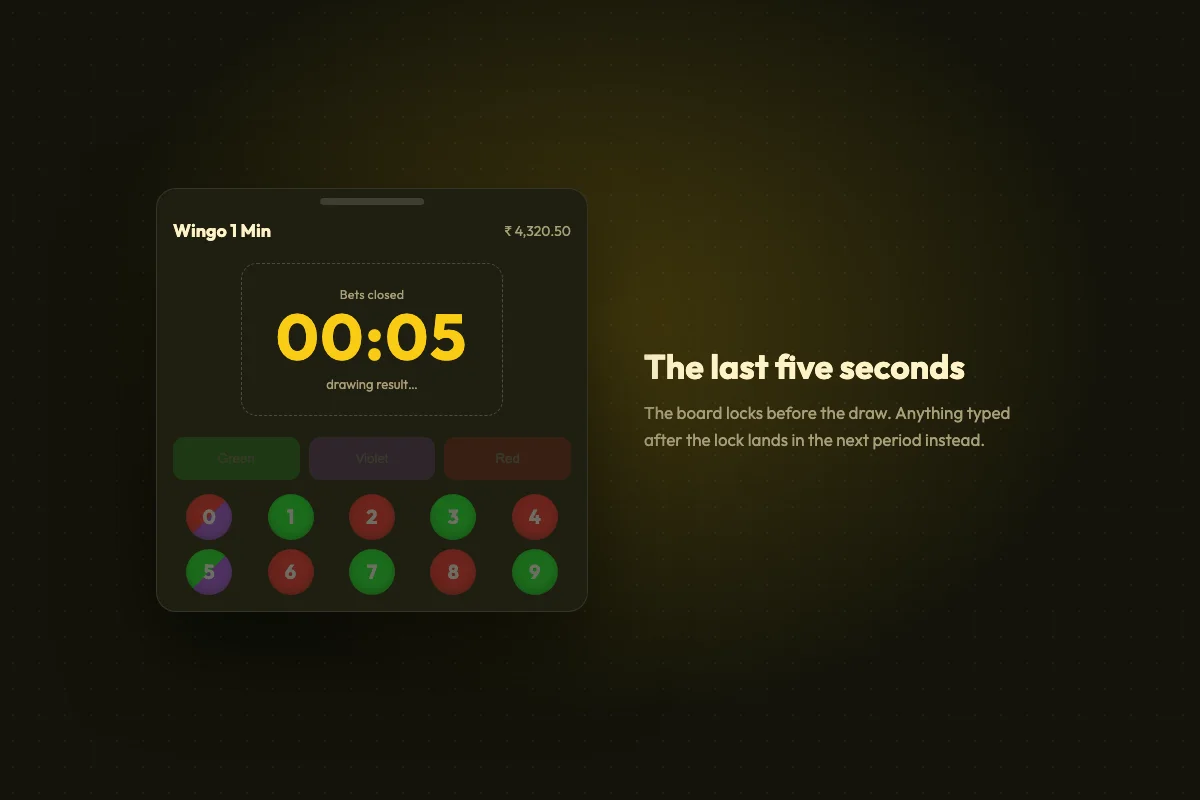
Rounds run to a clock — often one, three or five minutes. Bets lock a few seconds before the draw, and after the lock nothing about your position can be changed, cancelled or hedged.
The result is published and settled
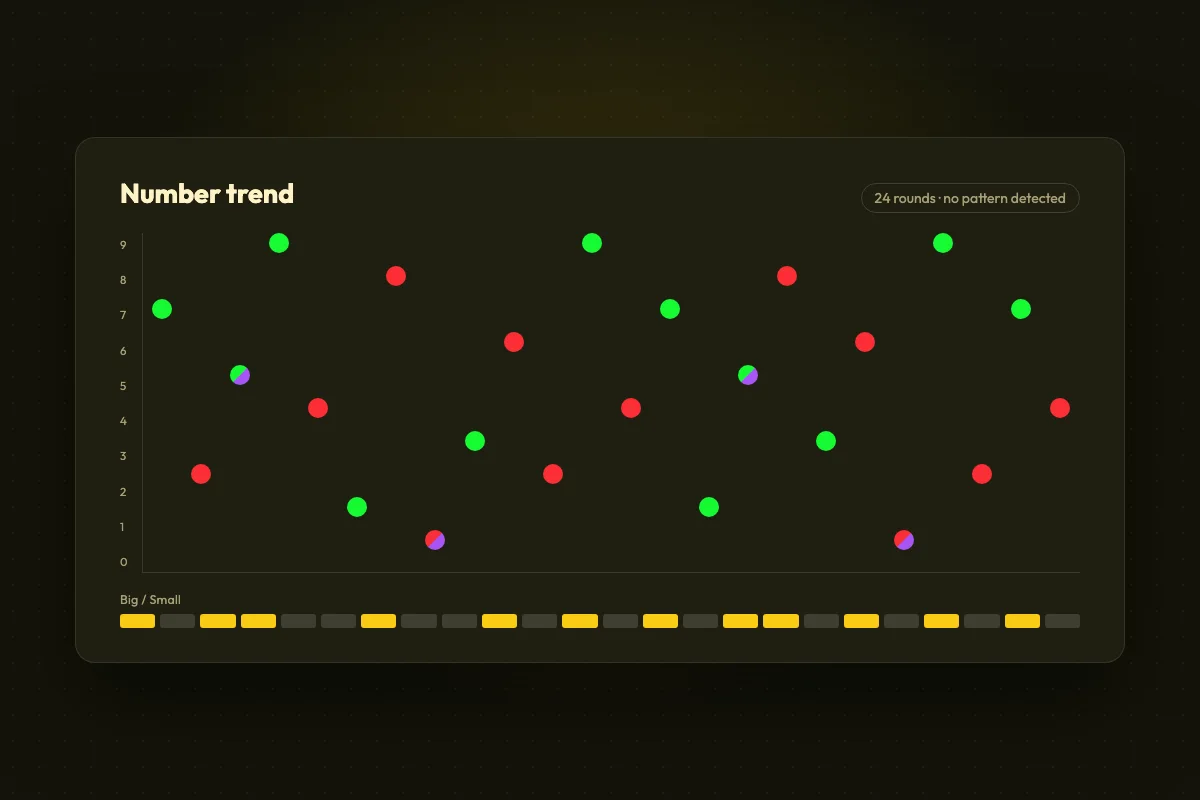
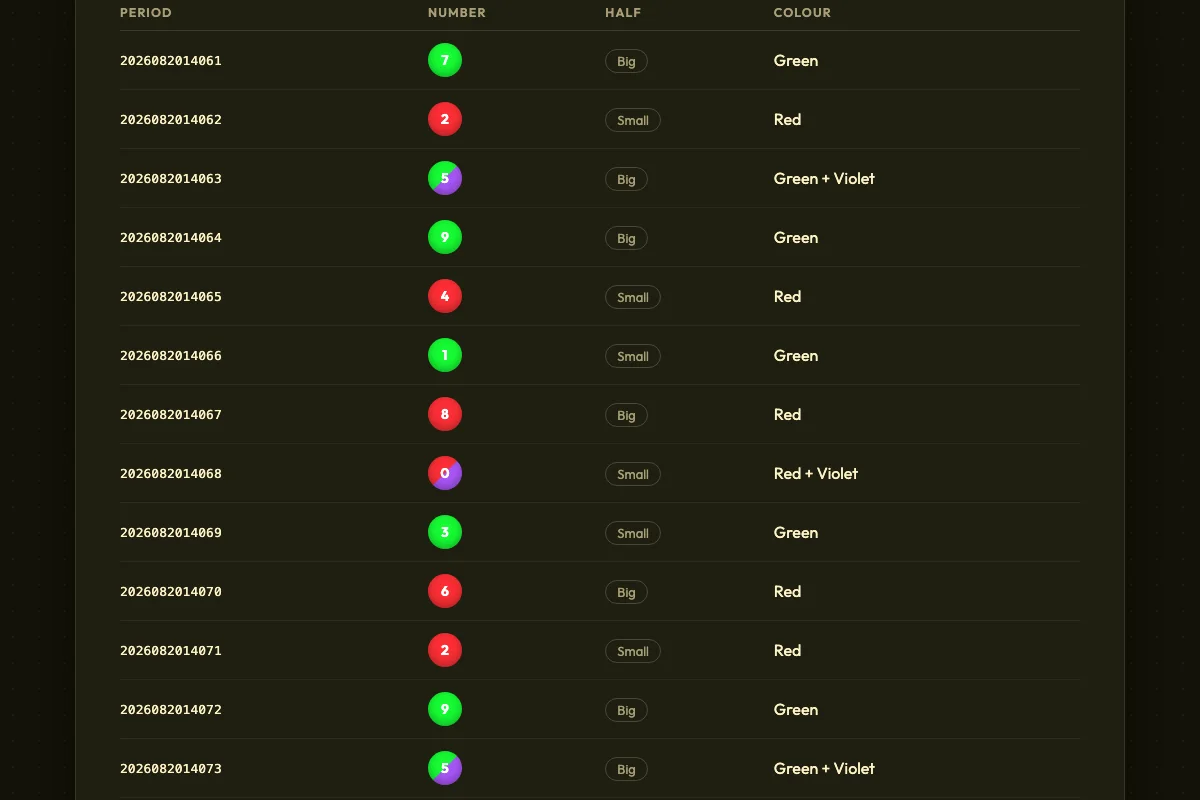
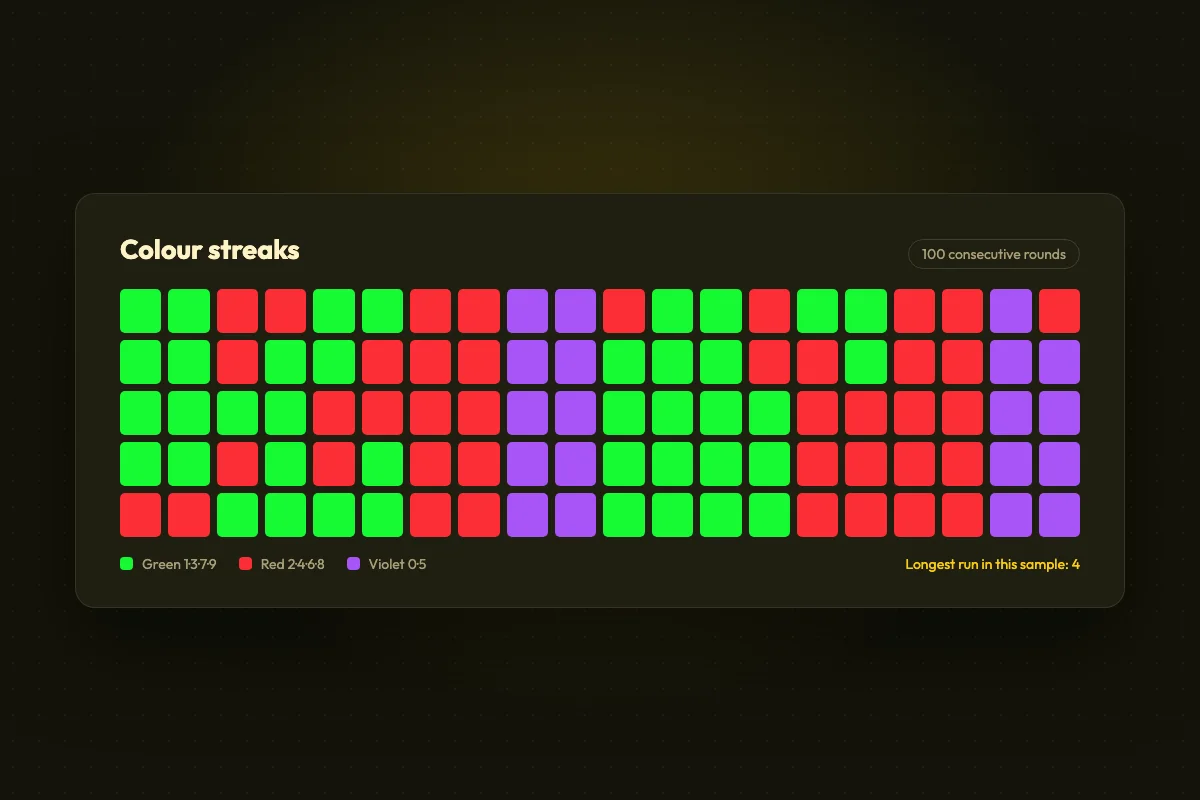
The number appears, big or small is decided, and winning bets are credited instantly. Most builds also show a history strip of previous results, which is where the pattern-hunting starts.
The payout is under 2x, and that is the whole game
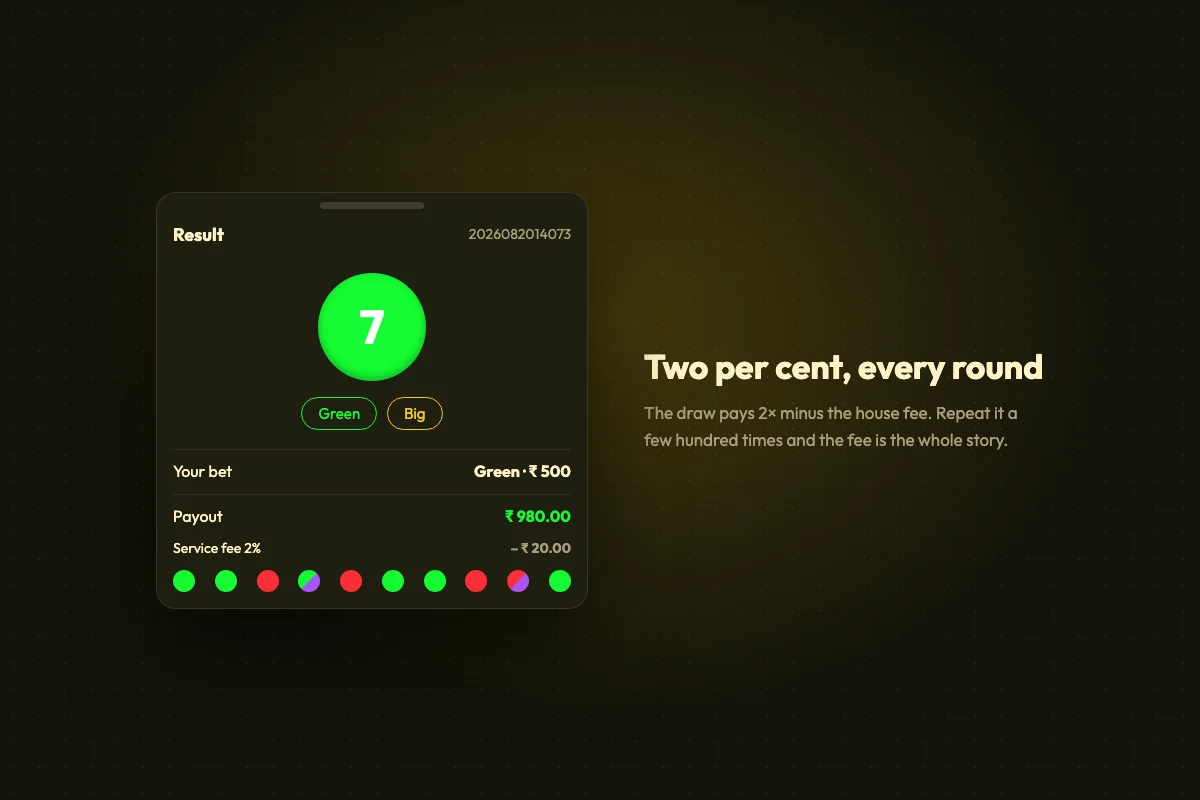
A correct call typically returns around 1.95 times the stake rather than double it. That gap is the operator's edge, it applies to every round equally, and no sequence of wins changes what the next round pays.
What Long-Session Players Say
Four notes from people who logged their own rounds rather than their best ones. Collected for balance, not as a recommendation to play.
The format is honest about itself, which is more than most. You bet on half the numbers, you get slightly less than double back. Everything painful about it follows from that one line of arithmetic.
I ran the one-minute rounds for two hours to test a martingale. It works beautifully until the table limit arrives, and the table limit always arrives.
Good interface, terrible ecosystem. Finding a build that was not a repackaged clone took longer than learning the game, and I still compare payout numbers every time.
The history strip is the most expensive feature ever added to this genre. Ten smalls in a row means nothing, and every player I know has bet against it anyway.
The Five Screens Every Build Shows You
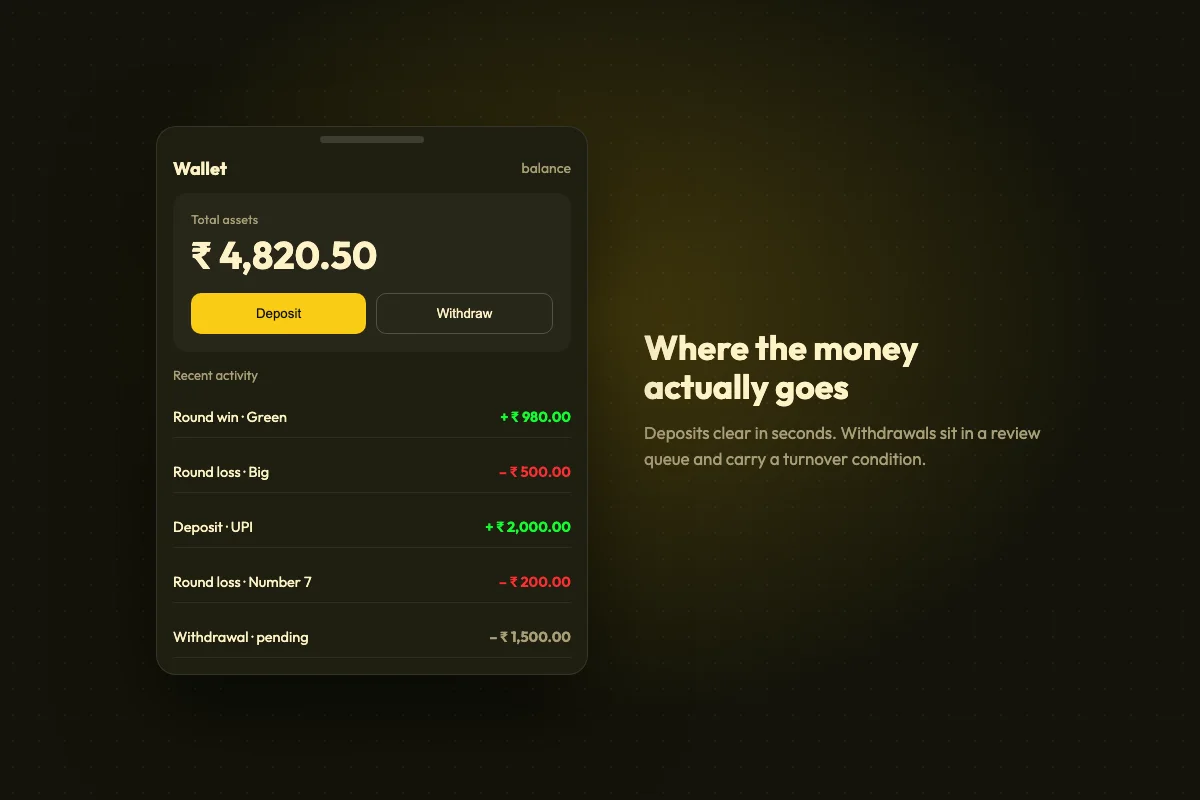
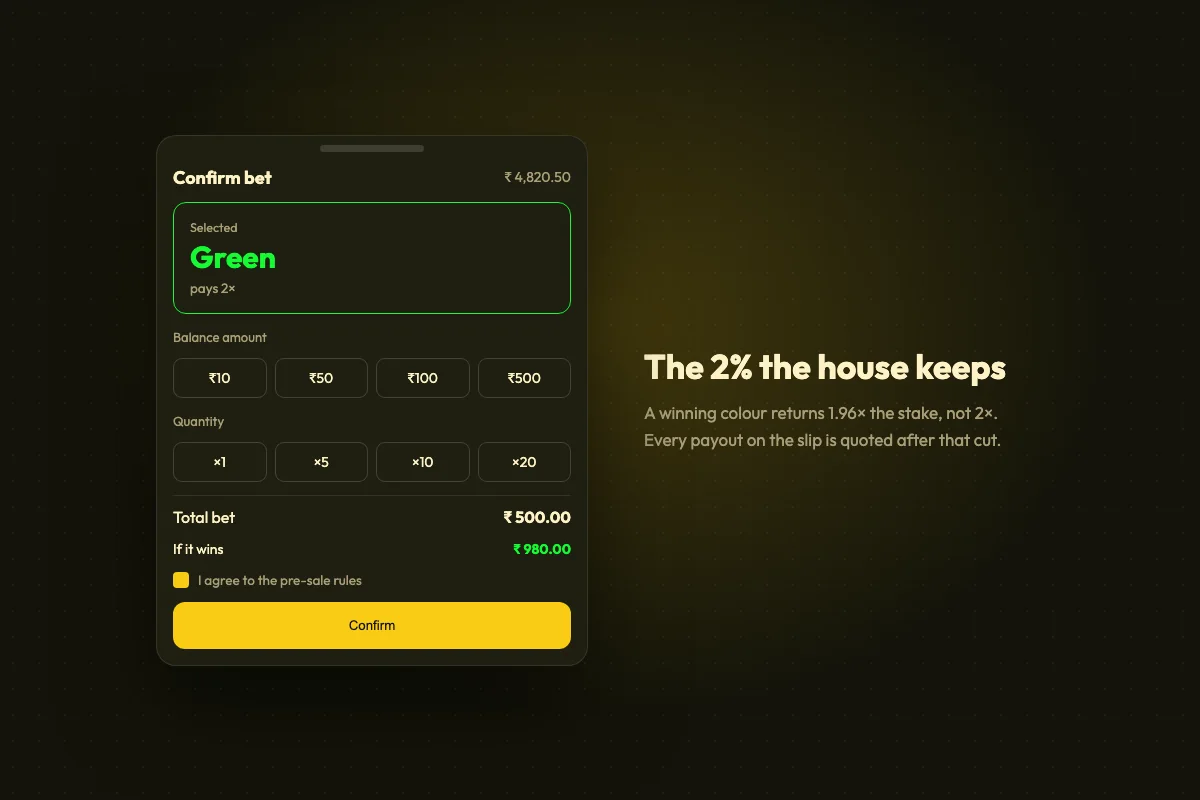
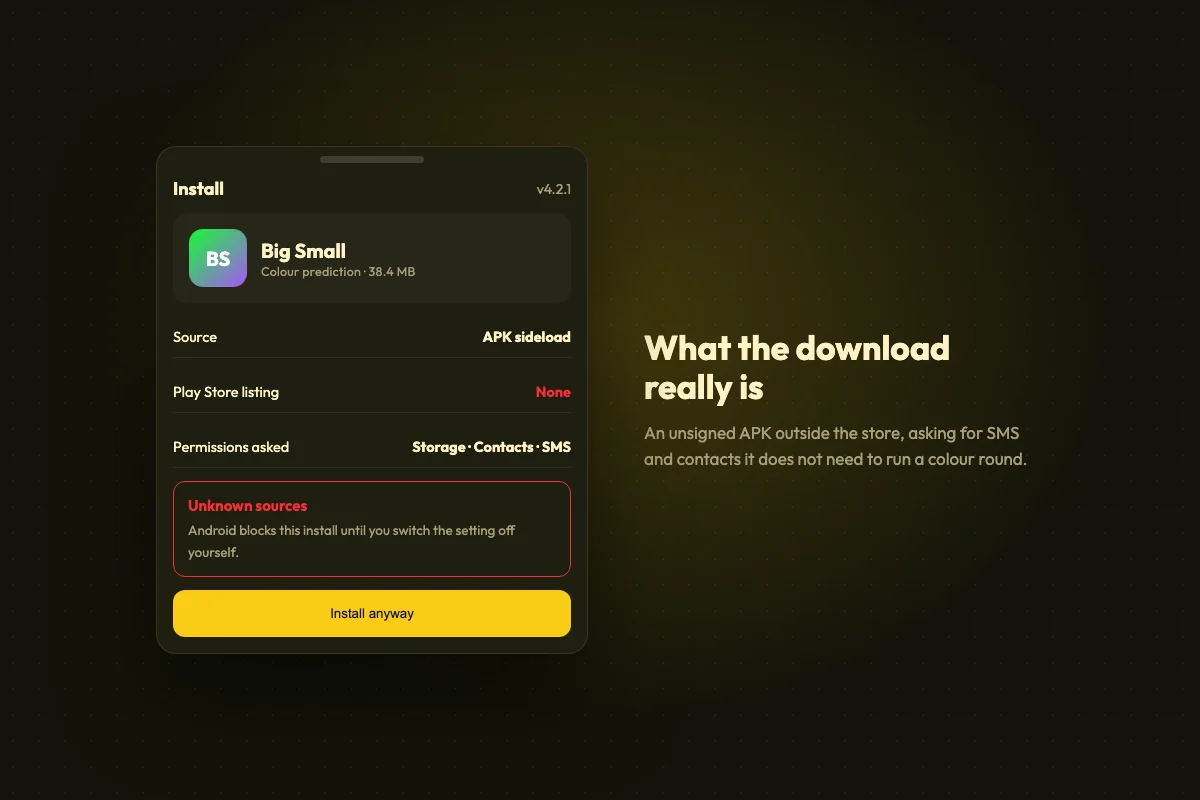
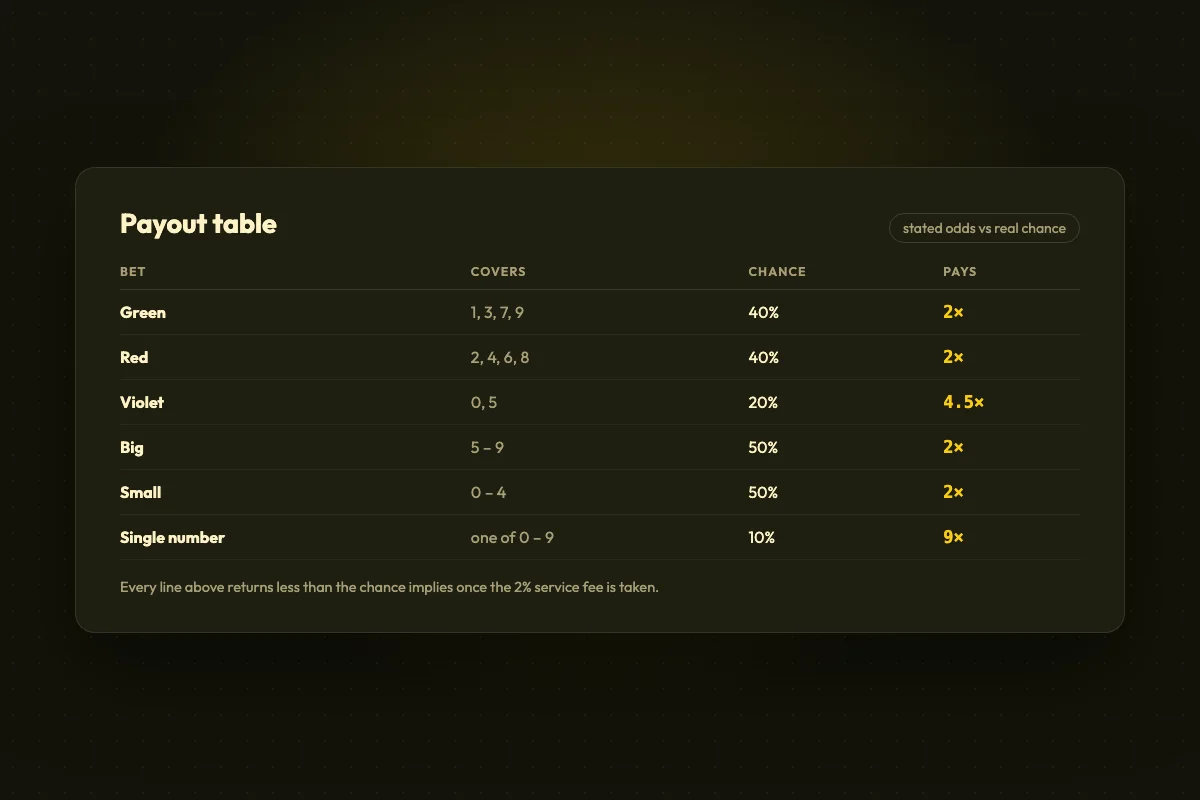
Quick Answers Before You Read Further
The nine questions that arrive most often, answered in a line each. Every one of them is expanded somewhere on this site.
What counts as big?
In almost every build, 5 to 9 is big and 0 to 4 is small. A few operators shift the boundary or add a tie rule, so read the payout table on the build you are actually using.
Is it a game of skill?
No. The number is generated server-side and each round is independent. Skill exists only in how much you stake and when you stop.
What does a win pay?
Around 1.95x the stake in most builds, not 2x. That five percent is the operator's edge and it is charged on every single round.
Do prediction tricks work?
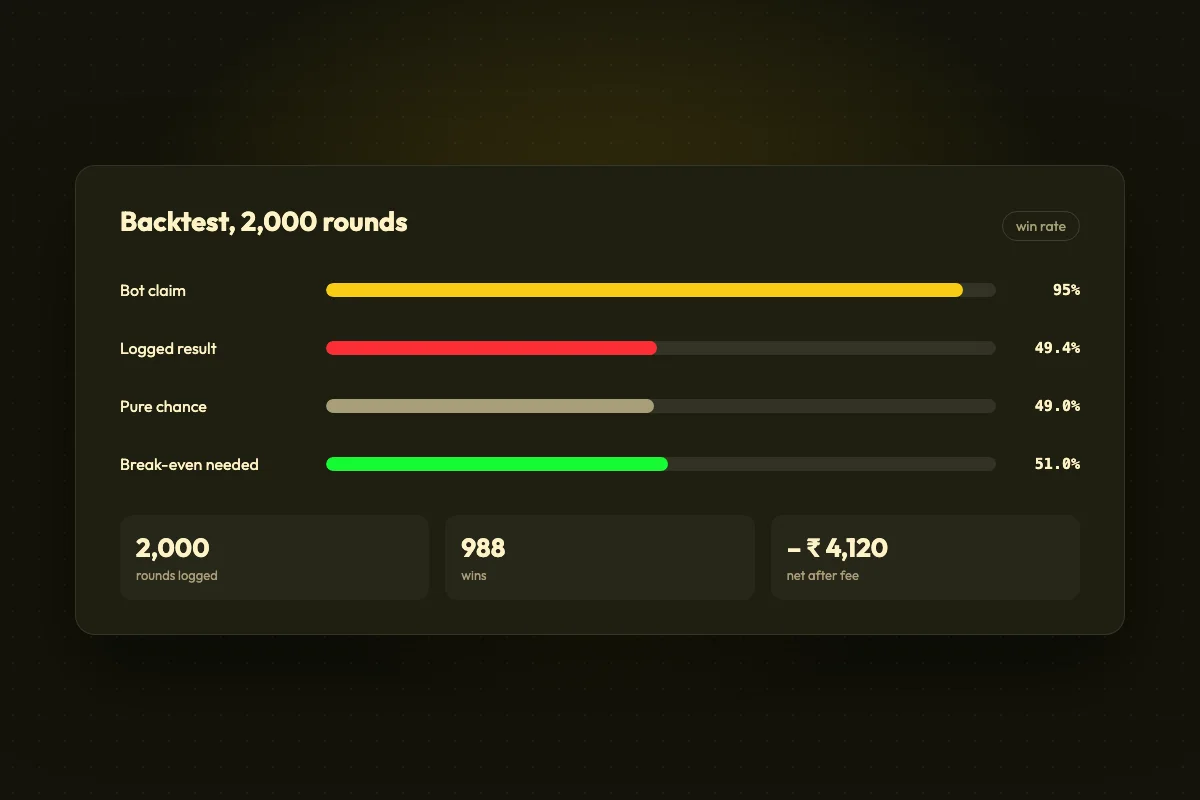
They cannot. There is no sequence to read, no seed on your phone and nothing local that touches the result before it is published.
What to checkIs there a demo?
Some builds offer one, many do not. Where a demo exists it is the only free way to learn the interface before money is involved.
See the mathsWhy so many app names?
One format, dozens of wrappers. The same big-small mechanic runs under a long list of brand names, mostly distributed through chat links rather than stores.
Can I withdraw easily?
That depends entirely on the operator, not on the game. Test the withdrawal path with a small amount before you trust it with a larger one.
Is it legal in India?
Rules vary by state and change. Treat any operator's claim about legality as marketing and check the position where you live.
What is the safest way to try it?
A build you found yourself, a demo where one exists, the smallest stake available, and a limit written down before the first round.
Six Checks That Filter Out Most Bad Builds
None of them require technical knowledge, and together they remove almost every repackaged clone circulating in group chats.
Where the build came from
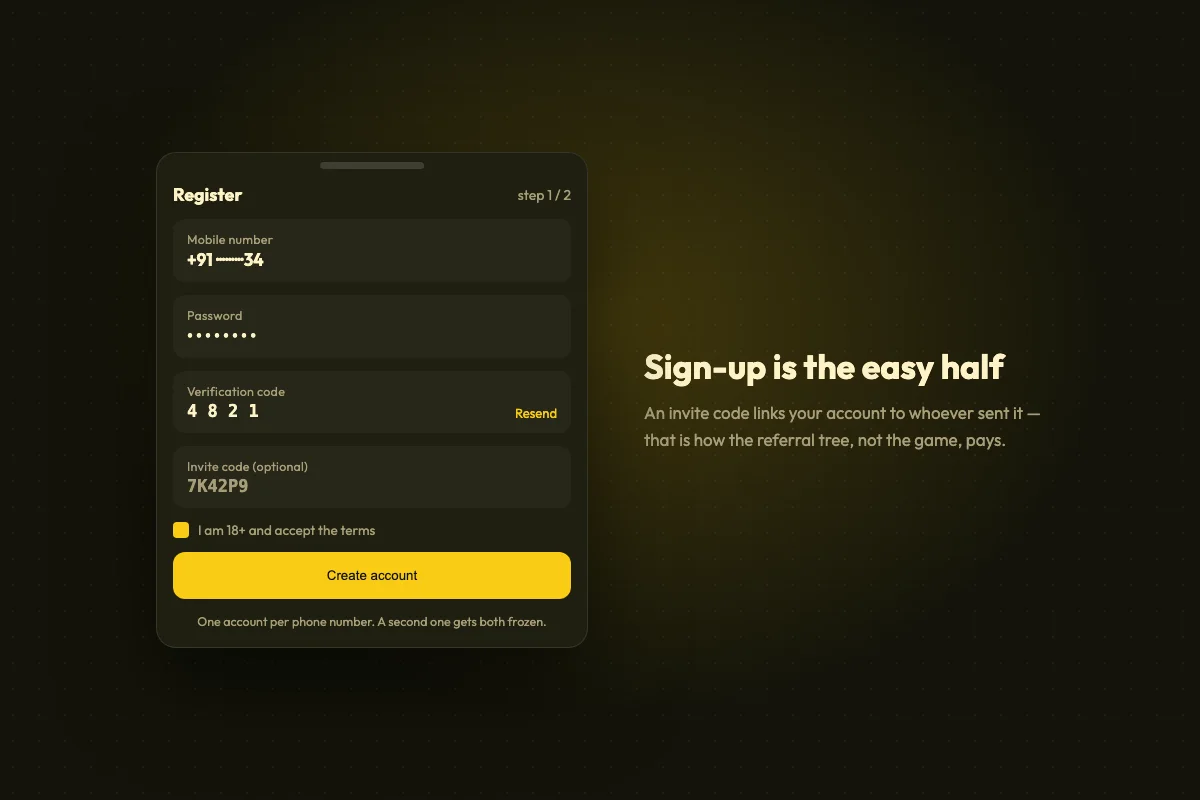
A listed app with a visible publisher can be judged; a file forwarded through a chat cannot, and that route is where nearly every edited clone arrives. Provenance is the cheapest and most useful check available to you, and it costs nothing but a moment of honesty about who sent you the link.
The stated payout per win
It should be written down and identical every round. A build advertising winnings without printing the multiplier is hiding the only figure that matters.
The permissions requested
Network and storage are normal. SMS, contacts and accessibility access are not, and no explanation offered for them is worth reading.
A withdrawal path you have actually tested
Deposit small, withdraw once, then decide. An operator that takes money smoothly and pays out slowly has told you what it is while the amounts are still small enough not to matter — and that test is worth more than any review you will read, including this one.
How the history strip is framed
A results panel with trend labels invites you to see patterns in noise. Independent rounds have none, and the feature exists to keep you betting.
What the bonus terms lock
Accepting a promotion often attaches wagering conditions to your own deposit too. Read that clause before accepting, not before withdrawing.
Why 1.95x Is the Whole Story
A fair coin paid at 2x would return your stake over time. This one pays about 1.95x, which sounds close and is not. That five percent is charged on every round you play, win or lose, and it compounds with volume rather than with luck — which is why session length matters far more than any individual call.
- Bet ₹100 a thousand times and the edge alone costs roughly ₹2,500, before variance
- Doubling after a loss does not beat the edge, it just reaches the table limit faster
- A ten-round winning streak changes nothing about round eleven
- The only two numbers you control are your stake and when you stop
How Big Small Reached Indian Phones
The format is older than the apps carrying it. Understanding where it came from explains why there are so many names and so few differences between them.
Whether the history is being sold to you
A prominent results strip with 'trend' labels is an invitation to see patterns in noise. Independent rounds have none, and the feature exists to keep you betting.
What the terms say about bonuses
Accepting a promotion often attaches wagering conditions to your own deposit as well. Read that clause before accepting, because forfeiting later is not always possible.
A casino side bet
Betting on high or low is one of the oldest wagers there is — sic bo tables have offered big and small for centuries, at close to the same odds and for the same reason.
The colour prediction wave
Timed-round apps brought the bet to phones, usually pairing it with a colour choice. Short rounds, tiny minimum stakes and instant settlement made it spread through messaging apps rather than stores.
Three Ways People Play, and What Each One Costs
The odds are identical at every level — only the size of the mistake changes. These are the three patterns we see described most often, with the honest version of what each does to a bankroll.
Demo or minimum stake
Learning the interface, the timer and your own reaction to a losing streak — for as close to nothing as the build allows.
Fixed flat stake
One amount, every round, no adjustment after wins or losses. Boring by design, and the only pattern that keeps a session predictable.
Doubling or progression
Martingale and its variants. Feels like a system, functions as a way to reach the table limit faster with a larger amount at risk.
FAQ
The six questions we are asked most, answered without the marketing language that usually surrounds this format.
A timed bet on whether a generated number lands in the high half or the low half — typically 5 to 9 for big and 0 to 4 for small. Rounds run on a clock, bets lock before the draw, and a correct call pays a little under double the stake. That is the entire mechanic; everything else is interface.
Pick a round, choose big or small, set a stake, confirm before the timer locks, and wait for the number. Practically, the part worth deciding in advance is how much you will stake per round and how many rounds you will play — because those two numbers are the only ones you control once betting starts.
No. The result is generated on the operator's server after bets close, so nothing on your phone can read it, influence it or predict it. Charts show past results, which are independent of future ones. Files advertised as hacks are either repackaged builds with worse payouts or straightforward credential theft.
Because the format is trivial to reskin. One mechanic runs under dozens of brand names, most distributed through referral links rather than app stores. Comparing the payout multiplier and where the file came from tells you more than the name on the icon ever will.
Some builds include one, many do not, and a few advertise a demo that unlocks only after a deposit — which is not a demo. Where a genuine practice mode exists, it is the only free way to learn the timer and the interface before anything is at stake.
Individual rounds pay, and the arithmetic across many rounds does not favour you. A payout near 1.95x on an even-money bet means roughly five percent of everything staked goes to the operator, regardless of how well you call it. Treat it as paid entertainment with a known price, never as income.